Porcelain veneers are a popular way to improve the color, shape, and balance of a smile while keeping more natural tooth structure than a full crown in many cases. If you want a broader overview of treatment options, see all about veneers.
A common question is simple: how long do porcelain veneers last in real life? In many cases, porcelain veneers last about 10 to 15 years, and some last longer with good planning, strong bonding, and healthy daily habits. Reputable patient resources often describe a 10 to 15 years lifespan for porcelain veneers, and you can also review veneer procedure details to understand what affects long-term success.
That said, veneers are not permanent in the sense of lasting forever. They are durable restorations bonded to the front of teeth, but they still face years of chewing pressure, temperature changes, grinding, and normal wear.
University Dental Implant Center in San Diego, CA provides veneers and cosmetic dentistry care with a personalized, patient-first approach.
Not every veneer ages the same way. Two people can receive the same material, yet one set may last many years longer because of differences in bite, habits, enamel quality, and overall oral health.
For example, a patient who drinks coffee every day, clenches during stressful work hours, and uses front teeth to open packages puts more stress on veneers. Even if the veneers look excellent at first, those repeated habits can shorten their lifespan. For more detail, see veneer failure causes.
Porcelain is strong and stain-resistant, but it is still a ceramic material. It handles normal function well, yet it can chip when exposed to the wrong kind of force.
The bond between the veneer and the tooth matters just as much as the porcelain itself. Long-term success depends on enamel quality, bite design, tooth preparation, and whether grinding, gum disease, or decay are present. Research on enamel-bonded veneers supports the idea that bonding mainly to healthy enamel can improve long-term outcomes.
Bite forces are often underestimated. Even a well-made veneer can fail early if the bite is unstable or clenching is not addressed.
Porcelain veneers usually do not fail all at once. More often, patients notice small changes first.
That may include a tiny edge chip, a change in surface gloss, or a rough spot that catches floss. Some people also notice gumline changes that make the edge of the veneer easier to see, even when the porcelain itself is still intact.
Color stability is one of porcelain's biggest advantages. The veneer usually resists staining well, but nearby natural teeth may darken over time and create a mismatch.
These signs do not always mean the veneer needs immediate replacement. They do mean it is smart to schedule a dental exam, especially if symptoms are persistent, painful, or getting worse.
The best protection usually comes from steady daily habits, not quick fixes. Small changes can make a real difference for both the porcelain and the natural tooth underneath.
For example, switching to a soft-bristled toothbrush, wearing a night guard for clenching, and avoiding the habit of using teeth as tools can help reduce wear and damage. Those steps often matter more than cosmetic touch-ups or whitening products.
Veneers last best in a healthy oral environment. That includes stable bite forces, healthy gums, good saliva flow, and consistent home care.
People asking how long porcelain veneers last are often comparing them with bonding or crowns. That comparison matters because the best choice depends on the condition of the tooth, cosmetic goals, and how much support the tooth needs.
| Option | Typical Longevity | Main Strength | Main Limitation |
| Porcelain veneers | Often 10 to 15 years, sometimes longer | Natural appearance and stain resistance | Can chip or debond, and replacement may be needed over time |
| Composite bonding | Often shorter than porcelain | More conservative and easier to repair | More prone to staining and wear |
| Crowns | May last many years depending on the case | Covers the whole tooth when more support is needed | Usually requires more tooth reduction |
Porcelain veneers often fall in the middle. They can create a strong cosmetic result without covering the entire tooth, but they still require careful case selection.
That is why a conservative dentist will look at enamel thickness, bite pattern, and habits before recommending veneers. In some cases, cosmetic bonding or orthodontic treatment may be the gentler option. In other cases, dental crowns may be better when a tooth needs full coverage.
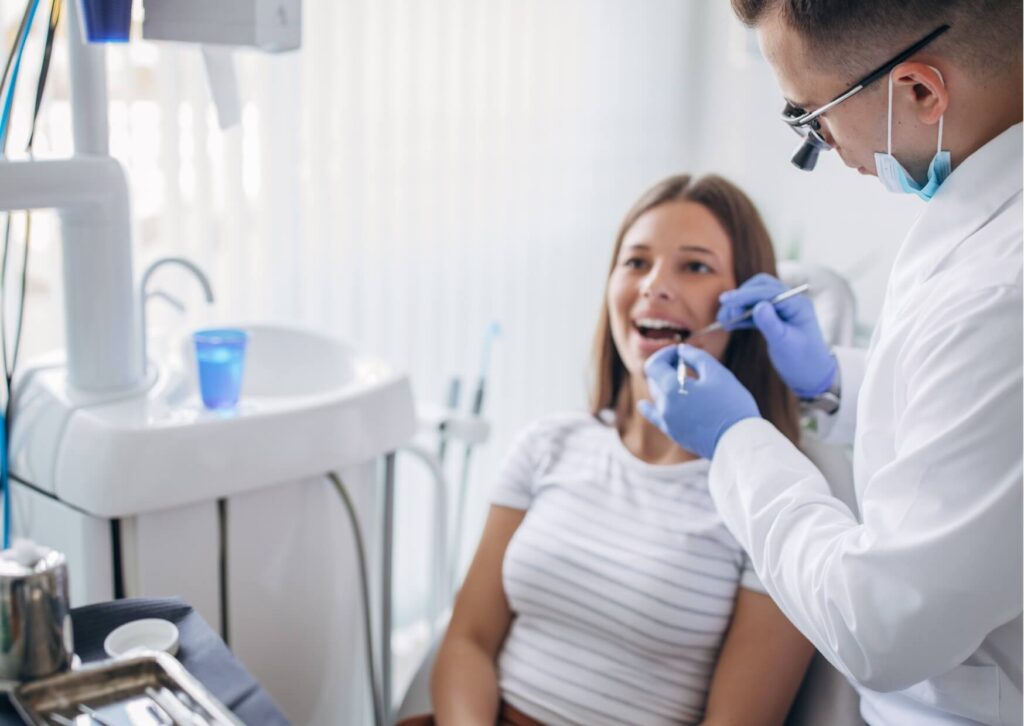
Most veneer concerns are not emergencies, but some situations deserve faster attention. Pain, swelling, trauma, or a restoration that suddenly feels mobile should not be ignored.
Seek prompt dental care if there is a cracked veneer with pain or tooth sensitivity, bleeding after an injury, facial swelling, or a veneer that has come off and left the tooth exposed. In these cases, the problem may involve the underlying tooth, not just the veneer.
If a veneer chips without pain, it is still wise to schedule an exam soon. Even a small defect can change the bite or create an area that traps plaque and irritates the tongue or gum tissue.
Porcelain veneers can be a long-lasting and attractive option when they are placed for the right reasons and cared for well. The healthiest way to think about them is as durable restorations that work best with good habits, healthy gums, and regular dental follow-up.
Gentle brushing, stress management for clenching, mindful food habits, and early attention to small changes can all help veneers last longer. These are practical steps that protect both appearance and function.
At the same time, home care is not a substitute for a proper dental evaluation. If a veneer feels loose, painful, cracked, or no longer fits your bite correctly, a dentist should assess it.
With that balanced approach, many patients get years of confidence and function from veneers while protecting the teeth underneath. If you are deciding whether veneers are right for you, or wondering whether older veneers are still healthy, a dental exam is the best next step.
If you’re considering veneers or need an evaluation, University Dental Implant Center in San Diego (serving La Mesa and Chula Vista) can help. Call us at (619) 582-4224 to schedule.
In many cases, porcelain veneers last about 10 to 15 years. Some last longer, especially when they are bonded mainly to enamel, protected from grinding, and maintained with good oral hygiene.
Yes, some can. Reaching 20 years is more likely when the bite is stable, the gums stay healthy, and the veneers are not exposed to repeated trauma or heavy clenching.
Porcelain is generally resistant to staining. Nearby natural teeth may darken faster, which can change how well the veneers match over time.
Common reasons include grinding, biting hard objects, poor bonding conditions, gum recession, decay at the margins, or trauma. Sometimes the issue is not the porcelain itself but the underlying tooth or bite.
Sometimes, yes. Small chips or edge defects may be repairable, but larger cracks, poor fit, repeated debonding, or cosmetic mismatch may require replacement after a dental evaluation.
Success stories that speak for themselves