The cost of dental implants can be hard to pin down because an implant is not just one item. It is usually a process that may include imaging, planning, the implant post, a connector called an abutment, and the final crown that looks like a natural tooth. In some cases, bone grafting, gum treatment, or a tooth extraction is also part of the plan.
Many patients first notice the problem in a very practical way. A missing tooth can change how food feels, how speech sounds, or how confidently someone smiles in a family photo. It is understandable to look for the lowest price first, but with implants, the better question is often what is included, what health conditions need to be addressed, and how likely the result is to stay stable over time.
Learn more about what happens at an implant consultation so you know which steps usually affect cost.
A practical, whole-mouth view is helpful here. The mouth is connected to chewing function, jawbone support, gum health, nutrition, and quality of life. An implant can be an excellent option for the right patient, but the real value comes from careful diagnosis and a treatment plan that fits your mouth as it is now, not as a generic advertisement assumes it should be.
A personalized consultation can help clarify the cost of dental implants and identify the treatment approach that best fits your needs. At University Dental Implant Center in San Diego, patients receive comprehensive implant evaluations and guidance tailored to their oral health, goals, and long-term outcomes.
Implant fees vary because no two mouths are exactly alike. The amount of available bone, the condition of the gums, the location of the missing tooth, bite forces, and the number of teeth being replaced all affect complexity. Replacing a front tooth in the smile zone may require more detailed cosmetic planning, while replacing a back tooth may involve heavier chewing forces.
The type of imaging matters too. A three-dimensional scan, often called a CBCT, helps the dentist evaluate bone width, height, and nearby structures such as nerves or the sinus. That planning step may increase the upfront cost, but it often improves safety and precision.
Materials also influence price. Implant systems differ in design, manufacturer support, restorative components, and long-term documentation. The final crown material may be chosen based on appearance, durability, and bite demands. A lower quote is not always inappropriate, but it should be clear whether it reflects a simpler case, fewer included services, or a different level of planning and follow-up.
When reviewing an estimate, it helps to separate treatment into parts. This makes comparisons more meaningful and reduces surprises later.
| Treatment Component | What It Means for Patients |
| Initial consultation | Review of medical and dental history, exam, and discussion of options |
| Diagnostic imaging | X-rays or 3D scan used to assess bone and plan placement |
| Tooth extraction, if needed | Removal of a damaged tooth before implant treatment can proceed |
| Bone grafting, if needed | Added bone material to support the implant when natural bone is limited |
| Implant placement | Surgical placement of the titanium or ceramic post into the jawbone |
| Healing period | Time for osseointegration, meaning the implant bonds with bone |
| Abutment | Connector piece between the implant and the visible crown |
| Final crown | The custom tooth that sits above the gumline |
| Follow-up visits | Healing checks, bite adjustments, and maintenance review |
Some offices quote only the surgical placement fee and leave out the crown or grafting. Others present a bundled fee. The most trustworthy estimate is one that clearly states what is included now, what may become necessary later, and what conditions could change the total.
The condition of the bone and gums often has the biggest impact on cost. If a tooth has been missing for a long time, the jawbone may shrink in that area. That can make grafting necessary before or during implant placement. Gum disease, also called periodontal disease, may also need treatment first because inflamed or infected tissues can reduce the chance of a stable long-term result.
Lifestyle and bite patterns matter as well. Smoking or vaping can interfere with healing and is associated with a higher risk of implant complications. Teeth grinding or clenching can place heavy force on implants and may require protective planning, such as bite adjustment or a night guard recommendation. These are not small details. They are part of why one patient may have a straightforward path while another needs a more staged approach.
General health can also affect timing and complexity. Conditions that influence healing, immune response, or dry mouth may require closer coordination and more follow-up. That does not automatically rule out implants, but it does mean the treatment plan should be individualized rather than sold as a one-size-fits-all package.
A single implant used to replace one missing tooth is often the easiest pricing model to understand. Even then, costs can differ depending on whether the site needs grafting, whether a temporary tooth is possible, and how demanding the cosmetic result needs to be.
For several missing teeth, an implant bridge may sometimes replace more than one tooth without placing an implant for every single space. That can change the total cost and may reduce the number of surgeries, but it depends on the pattern of missing teeth and the quality of the remaining support.
Full-arch treatment, sometimes discussed as implant-supported dentures or fixed full-arch bridges, is more complex. It may involve extractions, temporary teeth, more advanced planning, and a larger restorative phase. The total fee is higher, but the comparison should be made against the function, stability, and maintenance needs of alternatives, not just against the cost of a removable denture alone.
A useful quote should explain more than the final number. It should show the diagnosis, the proposed sequence, and what assumptions the plan depends on. If one office says grafting is necessary and another says it is not, that difference deserves a clear explanation. Consider getting a second opinion when quotes differ.
If you'd like a concise checklist, review our questions to ask before your visit.
The cheapest estimate may still be reasonable, but only if the scope is truly comparable. A lower fee can reflect lower overhead or a simpler case. It can also reflect omitted steps, limited follow-up, or a treatment plan that is not accounting for the biology of the site.
Implants are placed by a dentist, but their long-term success is supported by everyday habits. Good healing depends on the local tissues in the mouth and on broader factors such as nutrition, inflammation, sleep, and tobacco exposure.
These habits will not replace surgery or correct bone loss, but they can improve the environment in which treatment succeeds. That is often the most grounded version of whole-person care in dentistry: supporting the body while still respecting what only proper dental treatment can do.
Dental implants are not automatically the best answer in every case. A traditional bridge, removable partial denture, or full denture may make more sense depending on anatomy, finances, oral hygiene capacity, and treatment goals. For a direct comparison, see implants vs. bridges.
If finances are the primary concern, our article on the cheapest tooth replacement outlines options and trade-offs.
This is especially true when the mouth needs broader rehabilitation. If there is untreated decay, advanced gum disease, or multiple failing teeth, focusing only on one implant quote can miss the bigger picture. A good clinician should be able to explain not just whether an implant is possible, but whether it is the most sensible choice right now.
If the missing or damaged tooth area is associated with facial swelling, fever, pus, or rapidly worsening pain, prompt dental evaluation is important. Those signs can suggest active infection or a complication that needs timely care. Cost questions matter, but urgent symptoms should not be managed by waiting for online price comparisons.
Other reasons to seek evaluation soon include a loose tooth next to the planned implant site, bleeding gums that do not improve, a denture that suddenly stops fitting, numbness, or trouble chewing that is getting worse. These findings do not always mean implant treatment is impossible, but they do mean the diagnosis should come first.
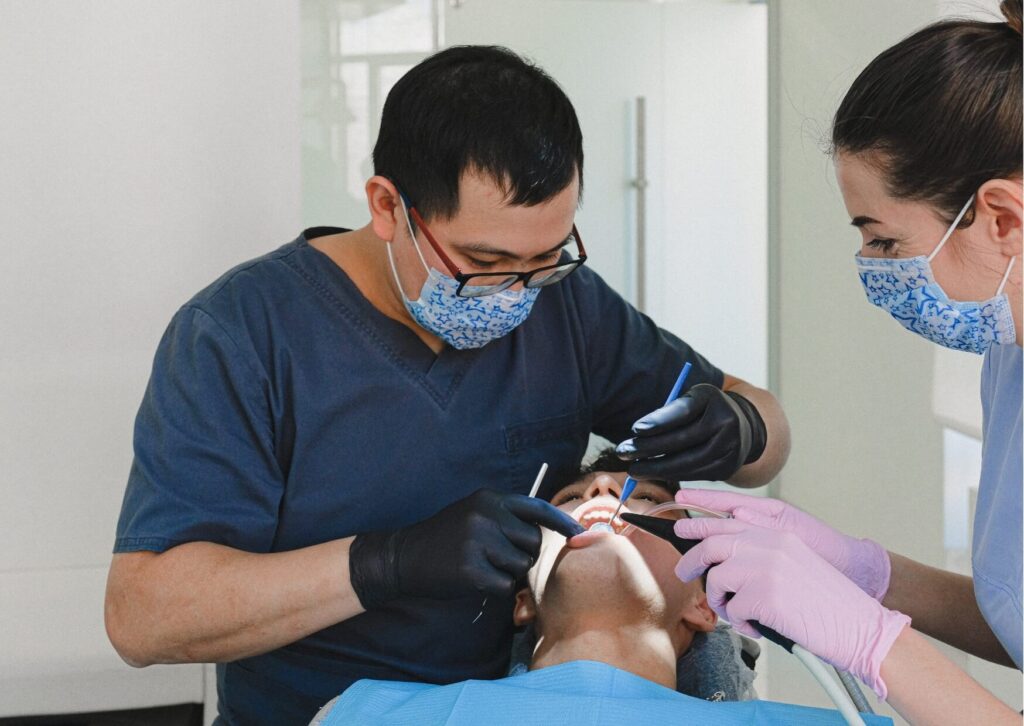
When implants are well planned and well maintained, patients often appreciate the sense of stability most of all. Chewing can feel more natural, neighboring teeth do not always need to be prepared the way they might for a bridge, and the jawbone may be better supported in the area of the missing tooth.
That said, implants are not maintenance-free, and they are not biologically identical to natural teeth. They still need cleaning, monitoring, and healthy surrounding tissues. The strongest treatment decisions usually come from balancing function, comfort, appearance, long-term maintenance, and total cost rather than focusing on any one factor alone.
Ready to get clear answers about the cost of dental implants? Contact University Dental Implant Center at (619) 582-4224 to schedule your consultation at our San Diego, CA office and receive a personalized treatment plan. We proudly serve patients throughout San Diego, La Mesa, El Cajon, and surrounding communities.
Implants involve surgical placement, detailed planning, healing time, and custom restorative parts. In many cases, the fee reflects both the procedure and the precision needed to create a stable long-term result.
Coverage varies widely. Some plans may help with parts of treatment such as imaging, extraction, or the crown, while others may exclude implants. It is best to ask for a written breakdown before treatment begins.
Sometimes, but not always. A preliminary estimate may be possible after an exam, while a more accurate number often depends on imaging and whether grafting or other preparatory care is needed.
Not necessarily, but the details matter. A lower quote may be reasonable in a simple case. It becomes concerning when the plan is vague, important steps are excluded, or the diagnosis does not seem thorough.
In some cases, yes. In others, delay may allow more bone loss, tooth drifting, or bite changes. If a tooth is missing or failing, a dental evaluation can help clarify the safest timeline for that specific situation.
Success stories that speak for themselves