Many people assume there is a narrow window for dental implants and that once enough time passes, the option is gone for good. In reality, it is rarely too late because of age alone. What matters more is the condition of the jawbone, the health of the gums, daily habits such as smoking, and whether medical issues are well controlled. These and other implant success factors help determine candidacy.
A common story in dental offices goes like this: someone loses a molar years earlier, adapts to chewing on the other side, and only starts asking about replacement when nearby teeth shift or a denture becomes frustrating. Even after a long delay, treatment may still be possible. It may simply require more planning and, in some cases, extra procedures to rebuild the foundation before an implant can be placed.
From a whole-health perspective, dental implants are not just about filling a gap. They also depend on the body’s ability to heal, maintain healthy bones, and keep inflammation under control. That is why the best answer is not based on the calendar. It is based on whether the mouth and body can support a stable implant in a safe, predictable way.
A professional evaluation can provide clarity based on your unique situation. At University Dental Implant Center in San Diego, our team works with patients who have experienced tooth loss at different stages, helping them understand whether dental implants or other restorative options may be appropriate for their needs.
After a tooth is removed or lost, the jawbone in that area often begins to shrink. This happens because the bone no longer receives the pressure and stimulation that a tooth root normally provides. Over time, the ridge can become narrower or shorter, which may leave less support for an implant. Research on the jawbone shrinkage timeline helps explain why delayed treatment can sometimes require more rebuilding first.
The gums and neighboring teeth can change too. Teeth may drift into the space, the opposing tooth may over-erupt, and the bite can become less balanced. These changes do not always prevent treatment, but they can make planning more complex and may increase the need for orthodontic movement, gum treatment, or bone grafting.
Another key issue is inflammation. Untreated gum disease can weaken support around both natural teeth and implants. If the mouth has active periodontal disease, meaning infection and bone loss around the gums, a dentist will usually want that condition stabilized before moving forward. That often starts with professional gum disease treatment.
General health also matters. Conditions that affect healing, immune response, or bone metabolism may change the timing or predictability of treatment. That does not always mean implants are off the table. It means the decision should be individualized and medically coordinated when needed.
One of the most persistent myths is that implants are only for younger adults. In practice, many older patients do very well with implant treatment, including people in their 70s or 80s. Studies on long-term implant success rates in older adults support the idea that a healthy older adult with good oral hygiene and stable medical conditions may be a better implant candidate than a younger person with uncontrolled gum disease or heavy tobacco use.
If you're worried about age specifically, read our implants for seniors guide to see common concerns and solutions.
There is also no fixed age when dentistry suddenly says the opportunity has passed. Instead, the dental team looks at bone volume, healing capacity, dexterity for cleaning around the implant, and whether the expected benefit justifies treatment. For many people, implants can improve chewing, denture stability, and day-to-day comfort in meaningful ways.
That said, advanced age can come with practical concerns. Dry mouth, medication burden, reduced mobility, and chronic illness can all affect maintenance. A responsible implant plan should be realistic not only about placement, but also about long-term care.
There are times when implant treatment is not the right next step. Severe bone loss may leave too little support for a conventional implant unless grafting or another advanced approach is considered. In some people, the missing-tooth space has changed so much that restoring it predictably becomes difficult.
Active periodontal disease is another major concern. If the gums are bleeding, infected, or losing bone, placing an implant into that environment may lead to complications. The same principle applies to untreated dental infections nearby.
Certain medical issues can also raise concern, especially if they are poorly controlled. Examples may include uncontrolled diabetes, recent cancer therapy involving the jaws, serious immune suppression, or medications associated with impaired bone healing. These situations do not automatically rule out care, but they often require a slower and more cautious path.
A person may also be a poor candidate if daily plaque control is not realistic. Implants are not immune to inflammation. They can develop peri-implant disease, which is inflammation and bone loss around an implant, especially when home care and professional maintenance are inconsistent.
In many cases, the phrase too late for implants is less accurate than “not ready for implants yet” or “implants may not be the safest option right now.” That distinction matters because some barriers can be improved.
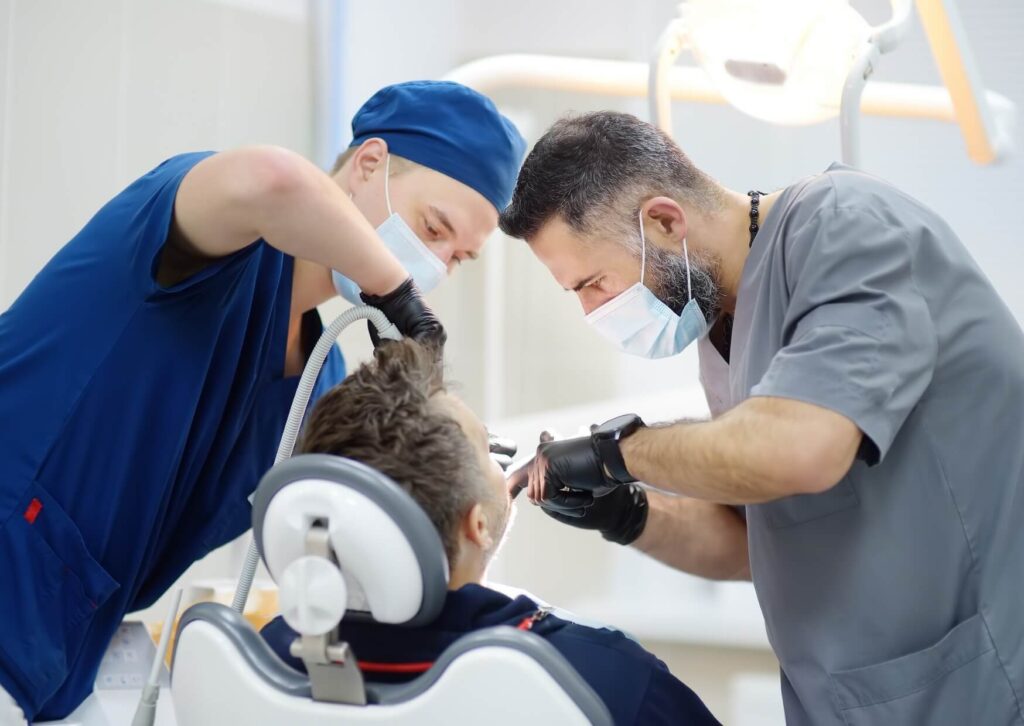
A dental implant consultation usually starts with an exam, updated X-rays, and often a 3D scan called cone beam imaging. This scan helps measure the width and height of bone and shows the location of important structures such as the sinus or nerve canal. It gives a far more accurate picture than guessing based on how much time has passed since tooth loss.
If you're comparing immediate versus delayed placement, see our implant timing options to understand the pros and cons of different approaches.
The dentist will also assess gum health, nearby teeth, and the way the upper and lower teeth meet. If the bite has shifted, the space may need to be managed carefully before an implant crown can function well. This is one reason delayed treatment can still work, but it should not be rushed.
Medical history is just as important. The team may ask about smoking or vaping, diabetes, osteoporosis treatment, autoimmune conditions, sleep habits, and any history of clenching or grinding. These details help estimate healing and the long-term load on the implant.
A careful evaluation is what turns a vague concern into a real answer. For some people, the result is good news. For others, it is a roadmap that starts with improving the foundation first.
Bone loss is one of the main reasons people worry they waited too long. Fortunately, modern implant dentistry can often work around this problem. In many cases, bone grafting can help rebuild part of the lost ridge so the area can support an implant more securely. You can also read more about bone graft surgery to know what the procedure involves and what recovery looks like.
In the upper back jaw, the sinus may expand downward after teeth are lost, leaving less vertical bone. A sinus lift is a procedure used to create more room for bone in that region. For patients with severe upper jaw bone loss, there are specialized approaches such as zygomatic implants that anchor in the cheekbone.
Not every patient needs major reconstruction. Sometimes the dentist may recommend a narrower implant, a different angle, or a modified restorative design based on the anatomy. The right approach depends on the exact location, the amount of force expected during chewing, and the overall health of the tissues.
This is where a broader health view helps. Healthy healing depends on more than the procedure itself. Stable blood sugar, good nutrition, low tobacco exposure, and consistent oral hygiene all support the environment an implant needs.
If implants are being considered after a long gap, it is worth focusing on the basics that support oral healing. This is not a substitute for treatment planning, but it can make the dental environment healthier and more predictable.
Some patients also ask about natural ways to support healing, such as an anti-inflammatory diet, better sleep, or stress reduction. Those habits can be useful for overall wellness and may support recovery indirectly, but they do not replace treatment for bone loss, infection, or bite problems. A balanced approach works best when lifestyle support and evidence-based dental care are used together.
There is an important difference between “not too late” and “no reason to hurry.” The longer a missing tooth is left untreated, the more time there is for bone shrinkage, tooth movement, and bite changes. That does not mean every missing tooth needs an implant immediately, but delay can reduce options.
You should seek a dental evaluation promptly if there is pain, swelling, drainage, a bad taste, loose nearby teeth, worsening denture fit, or trouble chewing on one side. These signs may point to infection, gum disease, fracture, or other issues that need attention before implant planning can even begin.
Another reason not to wait is that alternatives may become less straightforward too. Bridges rely on neighboring teeth, and removable appliances depend on stable support from the gums and ridge. When the whole area changes over time, every replacement option can become more complicated.
A thoughtful dentist should not treat implants as the answer to every missing tooth. In some cases, a bridge may restore function well, especially when neighboring teeth already need crowns. In other situations, a removable partial denture or a full denture may be more practical because of anatomy, finances, or medical complexity.
There are also cases where replacing a missing tooth is optional rather than essential, particularly if the space is not visible, chewing remains comfortable, and the bite is stable. That decision still deserves professional review because what feels manageable now may create problems later.
The best plan is not always the most advanced plan. It is the one that fits the mouth, the health history, and the ability to maintain it over time.
If you are wondering when it is too late to get dental implants, the honest answer is that many people still qualify even after a long delay. The challenge is not usually the calendar by itself. It is the changes that may have happened during that time, especially bone loss, gum disease, and shifting of the bite.
That is why optimism and realism should go together. A delayed implant is often still possible, but it may require more preparation than it would have earlier. A comprehensive exam can show whether the area is ready, whether the foundation needs to be rebuilt, or whether another option makes more sense.
Conventional dentistry matters here. Natural health habits can support healing, but they cannot diagnose bone volume, remove active infection, or place an implant safely. The most responsible path is a balanced one: improve the body’s healing environment, get a proper dental evaluation, and make a decision based on anatomy, function, and long-term maintenance rather than fear that the opportunity has already passed.
University Dental Implant Center can help you understand your options with a comprehensive evaluation. Call (619) 582-4224 to schedule a consultation and learn whether implant treatment may still be possible, even after years of tooth loss. We proudly serve patients throughout San Diego and nearby communities, including La Mesa, El Cajon, and National City.
Yes, in many cases. A long delay does not automatically rule out implants, but bone loss and bite changes are more likely, so imaging and a full exam are important.
There is usually no strict upper age limit. Overall health, healing capacity, bone support, and the ability to maintain the implant matter more than age alone.
That may still not be the end of the road. Depending on the location and severity, grafting or other treatment modifications may make implants possible.
Active gum disease can make implant treatment unsafe or less predictable until it is controlled. Stabilizing the gums is often a necessary first step.
Arrange prompt dental care if there is swelling, pus, persistent pain, fever, a spreading bad taste, or rapid loosening of teeth or dental work. Those signs may indicate infection or another problem that should not wait.
Success stories that speak for themselves