Dental implants are meant to be a long-term solution for missing teeth, so most patients expect them to stay in place for many years. Still, dental implants can be removed in certain situations, and understanding why can make the idea feel less overwhelming.
A dentist or specialist in periodontics will usually try to identify the cause first. If the implant is still stable and the surrounding bone and gums are healthy enough, treatment may focus on saving it rather than removing it.
Home care can support gum health, but it cannot show what is happening below the surface. Imaging, periodontal measurements, and a bite evaluation help determine whether the implant can be treated or whether removal is the safer option.
University Dental Implant Center in San Diego provides dental implant and implant-preservation care and can evaluate concerns like these.
A dental implant is a small titanium or ceramic post placed in the jawbone to support a crown, bridge, or denture. The bone should bond to the implant surface over time in a process called osseointegration, which helps keep the implant secure.
If that bond does not form properly, or if it breaks down later, the implant may need to be removed. This can happen soon after placement or years later, depending on the cause.
One of the most common reasons is peri-implantitis, an inflammatory condition that affects the gum and bone around an implant. It can lead to bleeding, swelling, bad taste, deep pockets, and bone loss, and patients can review common peri-implant disease signs from the European Federation of Periodontology.
Other reasons an implant may need to be removed include:
Sometimes the implant itself is not the main problem. In some cases, the crown, abutment, or surrounding gum tissue is causing the symptoms, so treatment may be much simpler than full implant removal. Read more about types of implant failure.
A careful exam matters because not every sore or bleeding implant has to come out. Dentists look at symptoms, gum health, X-rays or 3D imaging, bite forces, and how much bone support remains.
If the implant is stable and bone loss is limited, treatment may focus on cleaning the area, adjusting the bite, improving home care, or controlling inflammation. In some cases, non-surgical treatment may be considered before removal.
If the implant is loose, deeply infected, fractured, or poorly positioned, removal becomes more likely. Supportive habits at home can help reduce irritation, but they cannot restore lost implant stability on their own.
For practical daily care tips, see our guide to cleaning and maintenance.
Some symptoms should be evaluated promptly rather than watched at home. Bleeding, swelling, pus, a loose implant, or pain when biting are all good reasons to contact a dentist or periodontist.
A bad taste, gum recession around the implant, or a crown that suddenly feels different can also signal a problem. These signs do not always mean the implant must be removed, but they do mean the area should be checked.
Implant removal is usually planned after imaging and a discussion about what comes next for the missing tooth. The exact method depends on how firmly the implant is attached, how much bone surrounds it, and whether there is infection or nearby damage.
In some cases, the implant can be unscrewed or gently backed out with specialized instruments. In other cases, a small amount of surrounding bone must be carefully shaped to free the implant while preserving as much healthy tissue as possible.
The goal is to remove the failing implant with as little trauma as possible. Preserving bone and gum tissue can improve future treatment options, whether that means another implant, a bridge, or a removable replacement tooth.
Often, yes, but not always right away. If there is active infection, major bone loss, or soft tissue damage, the area may need time and additional treatment before a replacement implant is considered.
That treatment may include bone grafting to rebuild support. You can also read more about what to expect from bone graft surgery.
Healing depends on several factors, including bone quality, gum health, bite forces, smoking, and clenching or grinding. For more background, see our article on implant success factors.
If an implant area feels irritated, gentle care is reasonable while you arrange a dental visit. Keep the area clean, avoid aggressive scrubbing or picking, and chew on the other side if biting makes the area sore.
A warm salt water rinse may soothe irritated tissue for some people. These steps may help with comfort, but they do not treat bone loss, a loose implant, or a hidden mechanical problem.
It also helps to reduce habits that increase inflammation or pressure. Tobacco use, frequent sugary snacks, and nighttime clenching can all work against healing.
If symptoms are getting worse, home remedies should not delay care. Fever, facial swelling, drainage, severe pain, or trouble opening the mouth need prompt professional attention, and urgent evaluation may be appropriate.
In those cases, seek emergency dental care and review common signs of a dental emergency. The same is true if the implant or attached tooth feels mobile.
A moving implant is not something to monitor casually at home.
For many patients, the real question is not just whether dental implants can be removed. It is what removal means for comfort, appearance, and future treatment.
That is the right way to think about it. The goal is not simply to take something out, but to restore a healthy, functional mouth with the least disruption possible.
Sometimes the best choice is to save the implant if the problem is still manageable. Sometimes removal is the safer and more predictable option, especially when infection, bone loss, or instability make long-term success unlikely.
A balanced approach works best. Good daily habits and supportive home care can help gum health, but structural implant problems still need professional treatment.
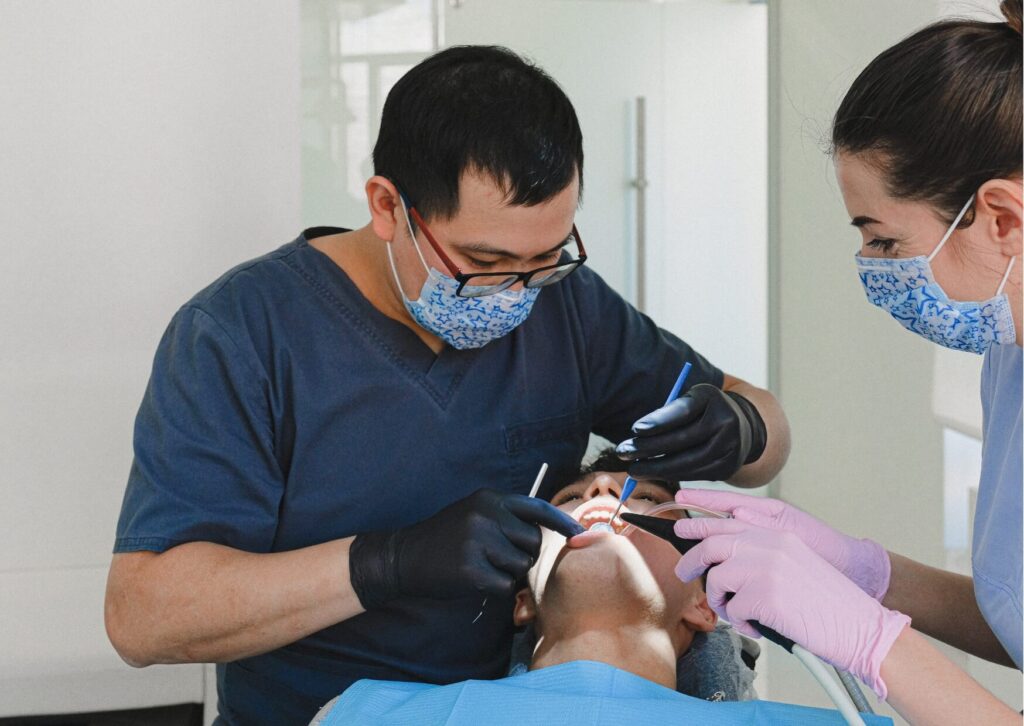
If an implant feels different, looks inflamed, or has started to hurt, a timely exam can clarify whether the issue is minor, treatable, or something that truly requires removal. Early evaluation often gives you more options and a smoother path forward.
If you're in San Diego or nearby La Mesa or El Cajon, University Dental Implant Center offers dental implant evaluations and replacement options call (619) 582-4224 to schedule.
Yes. An implant may be removed years after placement if it becomes loose, infected, damaged, poorly positioned, or if surrounding bone support declines.
In most cases, yes, but the technique depends on how the implant is attached and how much surrounding bone is present. A dentist or oral surgeon will usually use imaging to plan the safest approach.
The procedure is usually done with local anesthesia and, when needed, sedation options. Some soreness afterward is common, but the experience varies based on the reason for removal and the complexity of the case.
Possible signs include bleeding, swelling, pain when chewing, a bad taste, gum recession, or looseness. These symptoms can have more than one cause, so an exam is the best way to know what is happening.
Sometimes it can, especially if the implant is still stable and bone loss is limited. If infection is advanced or the implant is loose, removal may be the more predictable option.
Often, yes, though timing depends on healing, bone support, and whether infection or tissue damage is present. Some sites need additional treatment before a new implant can be placed.
Success stories that speak for themselves