Gum recession exposes part of a tooth’s root as the gumline moves away from its normal position. It usually does not reverse on its own, but early treatment can reduce sensitivity, address the cause, protect the root, and help prevent further tissue or bone loss.
If receding gums or persistent root sensitivity have you worried about long-term tooth support, a focused periodontics evaluation can clarify the cause and treatment options. At University Dental Implant Center in San Diego, CA, our team helps patients understand risks and practical next steps for conserving teeth and tissue.
A healthy gumline protects the roots of the teeth. When gum recession develops, teeth may look longer, small notches may appear near the gumline, and exposed roots can become sensitive to cold, sweets, touch, or brushing.
Unlike the crown of a tooth, the root is not covered by thick enamel. That makes it more vulnerable to wear and decay, which can affect comfort, appearance, and future restorative needs.
Gum recession does not automatically mean a tooth will be lost. However, when recession is linked to periodontal disease, it may occur along with bone loss, which can increase the risk of loose teeth and eventual missing teeth if the condition is not controlled.
Gum recession can result from periodontal disease, forceful brushing, thin gum tissue, tobacco use, tooth position, or repeated irritation. Clenching, grinding, and an uneven bite may also contribute in some cases, even if they are not the main cause.
Plaque and hardened tartar can trigger chronic inflammation that damages the gums and supporting bone. Recession may affect one tooth or several teeth, and it often progresses slowly enough that people first notice it only after sensitivity or a visible change appears. Learn more about causes of receding gums.
Routine dental exams and cleanings help identify the likely cause. The dentist or a specialist in periodontics may measure gum pockets, assess tissue thickness, check tooth mobility and bite forces, and use X-rays to look for bone loss.
Treatment depends on whether the recession is active, whether periodontal disease is present, how much root is exposed, and whether enough healthy tissue remains. The first goal is usually to control the cause before trying to repair damage or change the gumline.
Treatment | Common Purpose | Important Limitation |
|---|---|---|
Brushing and hygiene changes | Reduce trauma and plaque buildup | Cannot regrow lost gum tissue |
Professional periodontal cleaning | Treat inflammation and deposits below the gumline | May not cover an exposed root |
Fluoride or desensitizing treatment | Reduce sensitivity and help protect the root | Does not reposition the gumline |
Tooth-colored bonding | Cover certain worn, decayed, or sensitive root areas | Requires maintenance and eventual replacement |
Gum grafting | Add tissue, protect the root, and sometimes improve coverage | Surgical results vary by anatomy and cause |
Orthodontic treatment | Improve a tooth position that contributes to recession | May need to be combined with periodontal care |
For mild, stable recession, monitoring and prevention may be enough. A soft-bristled toothbrush, gentle pressure, and a nonabrasive toothpaste can help limit additional brushing trauma, but technique should be tailored by a dental professional.
If gum disease is present, treatment may include scaling and root planing, a deep cleaning below the gumline. Inflammation should be controlled before cosmetic root coverage is considered.
A gum graft adds tissue around an exposed root or a tooth with a thin, vulnerable gumline. The tissue may come from another area of the mouth, be repositioned from nearby gum tissue, or come from a processed donor material used in selected cases.
Grafting may be recommended when recession is progressing, the root is hard to keep clean, sensitivity continues, or the tissue is too thin to stay stable. It may also improve appearance, but complete root coverage cannot be guaranteed, especially when recession is advanced or bone loss between teeth is significant.
Procedures such as cosmetic gum surgery include gum grafting and root-coverage techniques used to restore lost tissue and reduce sensitivity in suitable cases. Published root coverage outcomes show that results can be meaningful but still vary by case and technique.
Candidacy depends on periodontal health, plaque control, smoking or nicotine exposure, medical history, tooth position, and the amount of supporting bone. Active disease and ongoing brushing trauma can reduce predictability, so those factors usually need to be addressed first.
Exposed roots sometimes develop decay, abrasion, or wedge-shaped defects near the gumline. Tooth-colored composite bonding can cover selected areas, reduce sensitivity, and create a smoother surface that is easier to clean.
Bonding does not replace lost supporting tissue and may not be the best first step if recession is still progressing. In some cases, a periodontist and restorative dentist coordinate grafting and bonding so the tissue position and restoration shape support a result that is easier to maintain.
Crowns are not usually needed for gum recession alone. They may be appropriate when a tooth also has extensive decay, fracture, a large existing restoration, or another structural problem, but removing healthy tooth structure only to hide recession is generally avoided.
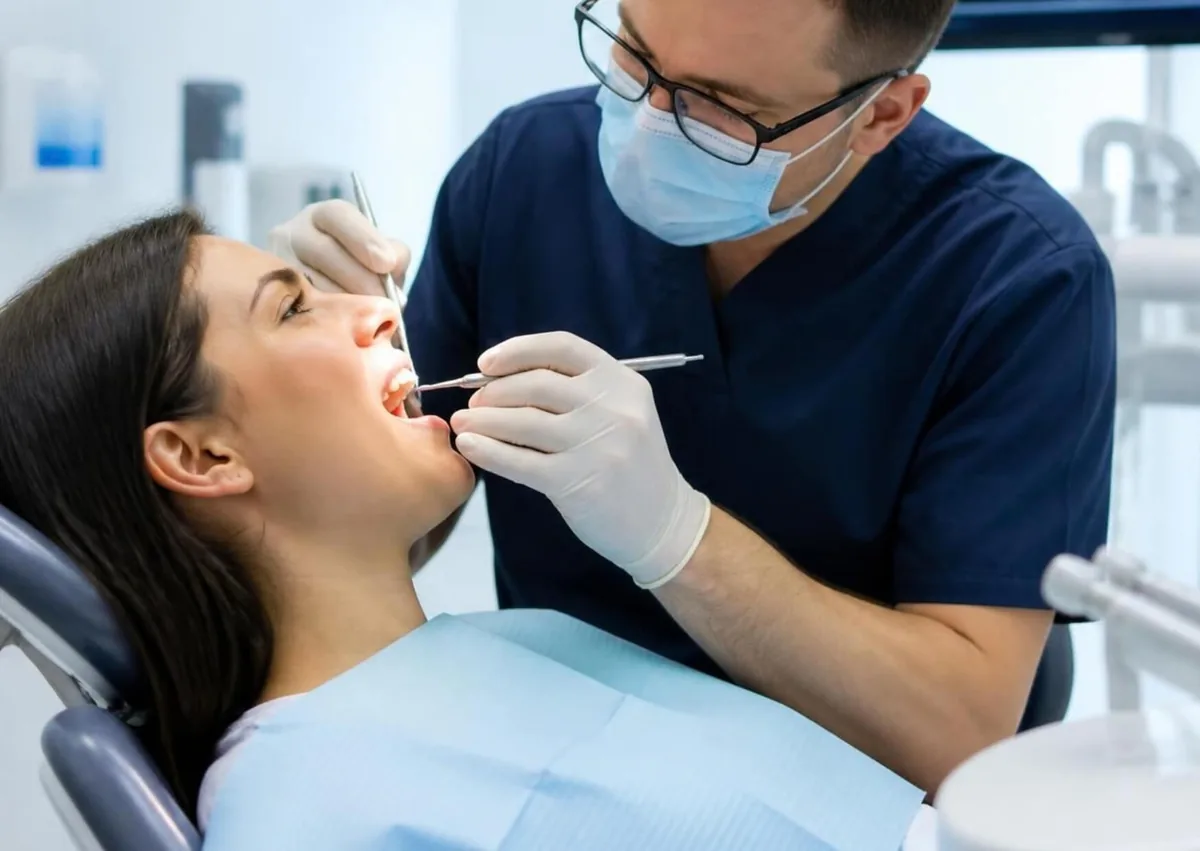
Nonsurgical care may start with hygiene changes, professional cleaning, and treatment for sensitivity or root decay. The gumline is then reassessed over time to see whether the recession is stable and whether surgery would offer meaningful protection.
After gum grafting, tenderness, swelling, and minor bleeding can occur during early healing. The treating clinician will give specific instructions for cleaning the area, diet, activity, and follow-up, and many patients return to routine activities within several days while tissue maturation continues for weeks to months.
Long-term stability depends on gentle daily cleaning, periodontal maintenance when needed, tobacco avoidance, and management of any contributing bite or tooth-position issues. Follow-up visits help confirm healing and guide a safe return to normal brushing.
Treatment can reduce sensitivity, protect vulnerable roots, improve cleanability, and lower the risk of further damage. Grafting may thicken the tissue and cover some or all of an exposed root, while restorative treatment may repair areas already affected by wear or decay.
No treatment can guarantee that gum recession will never return. Existing bone loss may limit root coverage, and ongoing inflammation, nicotine use, or traumatic brushing can compromise even a well-healed result.
Schedule a dental evaluation if a tooth looks longer, the gumline has changed, root sensitivity persists, or a notch or dark area appears near the gumline. An exam is also appropriate if recession is worsening, affects several teeth, or makes cleaning uncomfortable.
Seek prompt care for a loose tooth, significant swelling, pus, fever, rapidly increasing pain, uncontrolled bleeding, or facial swelling. Difficulty breathing or swallowing with oral or facial swelling requires emergency medical care.
An examination can distinguish stable recession from active periodontal disease and determine whether monitoring, nonsurgical care, restoration, orthodontic treatment, or referral to a periodontist is appropriate. Earlier assessment usually provides more options for protecting the tooth and surrounding tissues.
If your gumline is changing or root sensitivity persists, an evaluation focused on periodontics can identify causes and prioritize treatments to protect your teeth. Contact University Dental Implant Center periodontics in San Diego, CA to arrange care; call (619) 582-4224 or request an appointment online.
Lost gum tissue generally does not grow back on its own. Healthy habits may help stop or slow further recession, while gum grafting can replace or reposition tissue in suitable cases.
No. Periodontal disease is an important cause, but aggressive brushing, thin tissue, tooth position, tobacco use, and local irritation may also contribute.
Not necessarily. The risk depends more on the cause, supporting bone levels, disease activity, tooth mobility, and your ability to keep the area clean than on the visible recession alone.
Local anesthesia is used during the procedure, so patients should not feel sharp pain while it is being performed. Temporary soreness afterward is common, and recovery depends partly on the graft method and treatment area. Options such as sedation dentistry can also help with anxiety or comfort.
Progression varies. It may stay stable for years or worsen when inflammation, brushing trauma, tooth position, or other contributing factors continue, so periodic measurements are useful.
Success stories that speak for themselves