Dental bone graft recovery usually includes a few days of swelling, soreness, and limited chewing, with noticeable improvement over one to two weeks. The graft itself often needs three to six months to integrate with the jaw, although healing time varies based on the graft size, location, your health history, and whether an extraction or implant was done at the same visit.
Most people can return to light daily activities within a day or two. Even when the area feels better, however, the bone underneath is still healing for months.
If you are trying to rebuild your jawbone before an implant and want realistic expectations for healing, bone grafting may be an important part of your treatment plan. University Dental Implant Center in San Diego helps patients understand graft options, recovery timelines, and likely outcomes so they can move forward with more confidence.
After a tooth is lost or removed, the jawbone in that area often begins to shrink. That happens because the bone no longer receives the stimulation that natural tooth roots provide.
As the ridge loses height or width, there may not be enough support for dental implants in a stable, well-positioned way. Bone loss can also result from advanced gum disease, infection, injury, or long-term denture wear.
A bone graft creates a framework that supports new bone formation. Common uses include socket preservation after extraction, ridge augmentation to rebuild a narrow area, and sinus augmentation when upper-jaw bone is limited.
For more context on whether grafting is needed after removal, see bone graft after extraction. The right approach depends on the amount of bone loss and the type of restoration planned.
Graft material may come from processed donor tissue, animal-derived sources, synthetic materials, or your own bone. The best choice depends on the site, the size of the defect, and the goals of treatment.
Not every missing tooth requires bone grafting. An exam and dental imaging, sometimes including a cone beam CT scan, help determine whether there is enough bone for dental implants or whether another restoration may be a better fit.
Good candidates usually have stable medical conditions and can follow healing instructions closely. Smoking or vaping nicotine, uncontrolled diabetes, active gum disease, certain medications, prior radiation to the jaws, and poor oral hygiene can all slow healing or raise complication risk.
Alternatives may include placing an implant in a way that avoids grafting, using a dental bridge, or choosing a removable partial denture. Each option has different tradeoffs in function, maintenance, cost, treatment time, and effects on nearby teeth.
For a step-by-step overview, see dental bone graft surgery.
The area is usually numbed with local anesthetic, and sedation may be available depending on the procedure. The clinician places graft material into the site, often covers it with a protective membrane, and closes the gums with sutures.
Some grafts are done at the same time as a tooth extraction or implant placement. If that applies to your case, read more about bone grafting and implant.
Larger defects may require a separate grafting procedure and a referral for oral surgery. Those cases often need a longer healing period before implant placement.
During early healing, you may notice a membrane, a few graft particles, or a small amount of exposed suture material. Do not pull at the area, probe it, or keep checking it repeatedly, because that can disrupt the clot and the graft.
Mild to moderate soreness, light oozing, bruising, and swelling are common. Swelling often increases for the first two to three days before it starts to go down.
Rest, use cold compresses as directed, and keep your head elevated when lying down. Follow the written instructions for prescription or over-the-counter pain relief, since not every medication is safe for every patient.
Pain and swelling should gradually improve. Sutures may dissolve on their own or may need to be removed at a follow-up visit.
As the gums close, eating and cleaning usually become easier. Feeling better does not mean the bone is fully healed, so chewing restrictions may still apply.
Your follow-up visit helps the clinician check for infection, wound opening, or graft movement. Early review is important because problems are easier to manage when caught quickly.
The graft continues to integrate with the surrounding jaw through bone remodeling. Small socket grafts may be ready for the next step sooner, while larger ridge or sinus grafts may need six months or more.
The clinician may take new imaging before implant placement or restoration. If you are preparing for implants after grafting, review the dental implant procedure to understand the next stage.
Time alone does not confirm readiness. Bone quality and integration must be evaluated directly.
Choose soft, cool, or lukewarm foods during early recovery. If instructed, chew on the opposite side and avoid hard, crunchy, sharp, sticky, or very hot foods.
Do not disturb the site with your toothbrush, tongue, fingers, straws, or forceful rinsing during the period your clinician specifies. Clean the rest of your mouth carefully, and use any prescribed rinse exactly as directed.
Avoid smoking, vaping, and other nicotine exposure because they reduce blood flow and can impair healing. Strenuous exercise, heavy lifting, and activities that increase bleeding or pressure may also need to be limited for several days.
After an upper-jaw or sinus graft, you may also need to avoid nose blowing and sneezing with your mouth closed. Follow those instructions closely, since pressure changes can disturb the healing site.
Some early symptoms are expected. Mild bleeding, tenderness, swelling, bruising, jaw stiffness, and a few sand-like graft particles can all be normal at first.
These symptoms should level off and then improve. Contact the treating office promptly if you notice warning signs such as worsening pain or swelling after initial improvement, persistent bleeding, pus, fever, a foul taste or odor, an opening incision, or substantial loss of graft material.
New or lasting numbness, a loose membrane, or sinus symptoms after an upper-jaw graft also deserve professional review. Severe, persistent, worsening, or unclear symptoms should not be managed with home care alone.
Seek urgent medical or dental care, or visit our dental emergency page for guidance, if you have difficulty breathing, rapidly expanding swelling, uncontrolled bleeding, or signs of a severe allergic reaction.
A successful graft can rebuild lost jaw volume and improve support for a future implant. It may also help preserve gum and facial contours around the final restoration.
Bone grafting does have limits. It adds surgery, healing time, cost, and some risk of infection, membrane exposure, graft resorption, or incomplete integration.
No graft is guaranteed to succeed. In some cases, additional treatment is needed if the body does not form enough usable bone.
Long-term results also depend on good oral hygiene, control of gum disease, regular dental care, and avoiding nicotine. Even after grafting and implant placement, the area still needs professional monitoring over time.
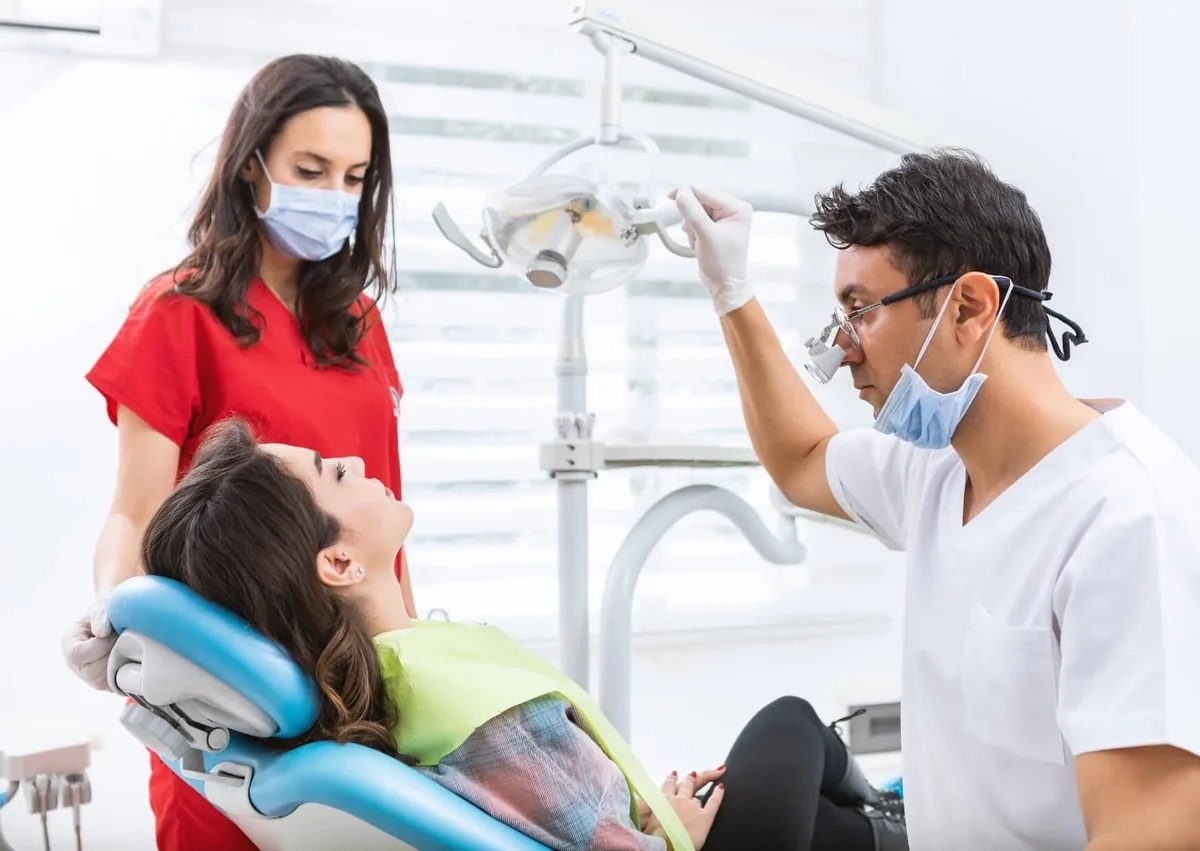
A consultation is often appropriate after tooth loss, before a planned extraction, or when an implant evaluation shows limited bone. Earlier assessment may preserve more treatment options and make planning more predictable.
To confirm whether a graft is necessary and what recovery will require, arrange a brief consultation with the treating team. University Dental Implant Center offers bone grafting in San Diego and serves patients from La Mesa and El Cajon; call (619) 582-4224 to schedule.
Most patients have manageable soreness and pressure rather than severe pain. Symptoms often peak during the first few days and then improve, but worsening pain should be reported.
Many people return to nonstrenuous work within one to three days. Larger grafts, sedation, physically demanding jobs, or more significant swelling may require extra time.
A few tiny, sand-like particles can come out during early healing and do not always mean the graft has failed. Contact the office if a larger amount is lost or if the area develops worsening pain, swelling, drainage, odor, or an opening in the incision.
Implant placement is often considered after about three to six months, although some cases allow immediate treatment and larger grafts may need longer. The decision depends on the exam and imaging, not the calendar alone.
Yes. Infection, poor blood supply, movement of the graft, nicotine use, uncontrolled health conditions, or early disruption of the site can contribute to incomplete integration.
Success stories that speak for themselves