You may be able to get a dental implant the same day as a tooth extraction or after about 2 to 6 months of healing, depending on the condition of the socket, gums, and jawbone. Immediate implant placement can shorten treatment, but waiting is often safer when infection, bone loss, or limited soft tissue makes stable placement less predictable.
After the implant is placed, it usually needs another 3 to 6 months to bond with the jawbone before the final crown is attached. The best timeline depends on an exam and imaging, because the fastest option is not always the most reliable one.
If you're weighing whether to replace a recently extracted tooth with a permanent solution, dental implants can preserve the jawbone and restore chewing function. At University Dental Implant Center in San Diego, CA, we help patients understand timelines and treatment options so they can make a confident plan.
Implant timing usually falls into four categories. These ranges are typical, not guaranteed, and clinicians may define them somewhat differently. For a deeper comparison, see traditional vs. immediate implants.
Placement Approach | Typical Timing After Extraction | When It May Be Considered |
|---|---|---|
Immediate | Same appointment | Intact socket, adequate bone, healthy tissue, and good initial implant stability |
Early, after soft-tissue healing | About 4 to 8 weeks | Gum healing is needed, but extended bone healing is not required |
Early, after partial bone healing | About 12 to 16 weeks | More time is needed for infection resolution or socket repair |
Delayed | About 4 to 6 months or longer | Significant bone loss, grafting, complex infection, or other healing concerns |
An immediate implant is not simply placed into the empty socket. The implant still has to be positioned in a stable bone at the right depth and angle, and some cases also need grafting around the implant.
After a tooth is removed, the jawbone naturally begins to remodel. That process can reduce the width and height of the ridge, which affects implant planning.
Placing an implant early or using a socket-preservation graft may help limit these changes, but neither option can guarantee that no bone loss will occur. The goal is to choose the timing that gives the most predictable long-term result.
Your dentist or implant specialist will usually evaluate:
A history of infection does not automatically rule out an implant. However, infected tissue must be managed carefully, and placement may need to wait if stable positioning cannot be achieved. In more complex cases, you may be referred for an oral surgery consultation to plan staged treatment or manage difficult anatomy.
Same-day implant placement may be possible when the tooth can be removed without major socket damage and enough healthy bone remains to stabilize the implant. Healthy gums and good oral hygiene also improve the chance of a predictable result.
Immediate placement does not always mean you receive a permanent tooth that day. In some cases, a temporary tooth can be attached, but it is usually designed to reduce chewing pressure while the implant heals.
That healing process is called osseointegration, which is when bone bonds to the implant surface. For patients who need teeth in place right away, same-day teeth replacement options may provide temporary restorations so you do not leave without a visible tooth.
Front teeth often need especially careful planning because gum shape and appearance matter more in the smile zone. Back teeth usually handle stronger chewing forces and may have multi-rooted sockets, which can make implant positioning more difficult.
Delayed placement is often recommended when there is extensive infection, major bone loss, damaged socket walls, or not enough tissue to support the implant well. Waiting can also help the clinician evaluate how the gums and any grafted area heal before final implant placement.
A bone grafting procedure may be done at the time of extraction to preserve the socket or later to rebuild a deficient ridge. Grafted bone often needs several months to mature; see bone graft recovery.
The exact timeline depends on the graft type, the size of the defect, and your healing response. Even when waiting is the safer choice, it is still best to follow a treatment plan rather than leaving the space unmonitored.
If a missing-tooth space is ignored for too long, the ridge may continue to shrink. Nearby teeth can shift, and the opposing tooth may drift into the gap.
Treatment starts with an exam and imaging. Many cases also use three-dimensional cone-beam computed tomography to measure bone and plan implant position more precisely.
Your clinician will also review your health history, gum condition, bite forces, and restoration goals. That information helps determine whether immediate, early, or delayed placement is the better option.
After the implant is placed, the surrounding bone needs time to integrate with it. A healing cap, temporary tooth, removable appliance, or existing denture may be used during this period. Many patients are told this phase takes several months, which aligns with the usual osseointegration timeline.
Once integration is confirmed, an abutment connects the implant to the replacement tooth. Impressions or digital scans are then used to make the final crown, bridge, or implant-supported denture. For more detail on the steps, see dental implant procedure.
From extraction to the final restoration, treatment may take several months. In cases that involve major grafting or staged surgery, the full process can sometimes take a year or longer.
Follow your clinician's instructions for cleaning, eating, and using any temporary tooth. Avoid chewing on the area unless you have been told it is safe, and be honest about smoking or vaping because nicotine can slow healing and raise the risk of complications.
After restoration, implants still need daily care. Brush thoroughly, clean between the implant and nearby teeth, and keep up with professional maintenance visits.
Implants do not get cavities, but the surrounding tissues can still develop inflammation and bone loss. This is known as peri-implant disease.
Call the dental office if you have worsening swelling, increasing pain, pus, fever, persistent bleeding, a bad taste that does not improve, or a loose implant or temporary. Seek urgent medical care for trouble breathing or swallowing, rapidly spreading facial or neck swelling, or swelling that affects the eye.
Choosing the right timing can improve stability, appearance, and long-term function. A well-planned implant can replace a missing tooth without requiring adjacent healthy teeth to support a traditional bridge.
Implants may help restore chewing, support the planned tooth position, and provide a natural-looking result. They can also help preserve bone better than leaving the space empty.
Still, implants are not right for every person or every site, and success cannot be guaranteed. Possible downsides include surgery, grafting, healing delays, mechanical complications, gum recession, infection, and implant failure.
Alternatives may include a dental bridge, a removable partial denture, or monitoring the space under professional guidance. The best option depends on your bone, bite, health history, and goals.
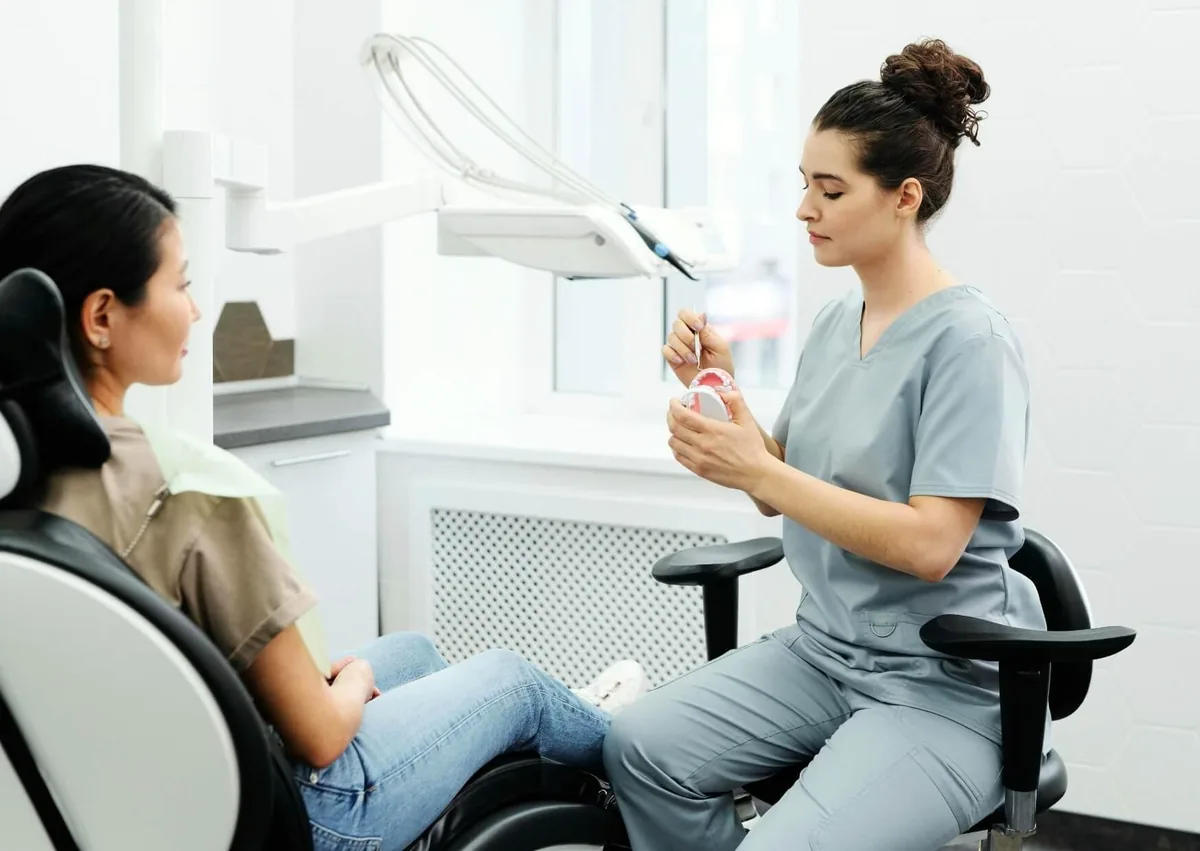
A consultation is most useful before extraction when possible. That allows the implant position, grafting needs, and temporary tooth options to be planned in advance.
If the tooth has already been removed, it is still worth getting evaluated. It may be too early, the timing may be ideal, or additional healing may be the safer path.
To determine the best timing for an implant or bone graft and receive a personalized plan, arrange an evaluation with an implant specialist. University Dental Implant Center focuses on dental implants in San Diego, CA; call (619) 582-4224 to schedule or book online.
Yes, in selected cases. The socket must allow proper implant positioning and adequate initial stability, and infection or tissue damage must be manageable.
There is no universal deadline, and implants can sometimes be placed years later. Longer delays may allow bone loss or tooth movement, so grafting or additional treatment may become necessary.
No. A bone graft after extraction may be recommended when the socket needs preservation, existing bone is insufficient, or the planned implant requires more support, but imaging and examination determine whether it is needed.
That depends on implant stability, location, bone quality, and whether a temporary tooth is attached. The treating clinician should determine when and how chewing pressure can safely increase.
Sometimes. Immediate placement may be possible after careful removal of infected tissue, but active or extensive infection can make staged treatment safer.
Success stories that speak for themselves