After dental implant surgery, choose foods that need little or no chewing, provide nutrition, and do not irritate the surgical site. The 50 options below include smooth proteins, cooked grains, soft produce, and easy meals, but your oral surgeon’s instructions take priority because the right texture depends on the procedure, implant location, and whether bone grafting was performed.
Recovering from implant surgery raises questions about diet, healing, and follow-up care that are best discussed with a specialist in dental implants. University Dental Implant Center in San Diego, CA helps patients understand post-op restrictions and personalized recovery plans to protect your results and comfort.
Start with cool or room-temperature liquids and very smooth foods if tolerated. As soreness and swelling improve, move to thicker and slightly more substantial foods. Do not eat while your mouth is still numb, and avoid chewing over the implant site.
Not every item fits the first day of recovery. Foods such as pasta, fish, chicken, and soft bread products usually belong later, after your dentist confirms that gentle chewing is safe.
Healing is not the same for every patient. A single uncomplicated implant may allow faster diet progression than multiple implants, full-arch treatment, or surgery combined with a graft or sinus lift.
Typical Stage | Texture to Consider | Examples |
|---|---|---|
First 24 hours | Cool or room-temperature, smooth, minimal chewing | Yogurt, applesauce, pudding, smooth puree |
Days 2 to 3 | Smooth or mashed, lukewarm | Eggs, mashed potatoes, oatmeal, blended soup |
Rest of the first week | Soft and moist, requiring gentle chewing | Tofu, cottage cheese, soft pasta, flaky fish |
Following weeks | Gradual return to firmer textures if cleared | Tender chicken, soft cooked vegetables, moist grains |
This is a general guide, not a fixed schedule. Stay with softer foods if chewing causes pain, pressure, or bleeding, and contact your dental team if symptoms are getting worse instead of better.
A dental implant is a small post, usually titanium, placed in the jaw to replace a missing tooth root. Over time, the bone grows closely around it in a process called osseointegration, creating support for a future crown, bridge, or implant-retained denture.
Soft foods help limit pressure on the healing area. They also reduce the chance that hard particles will collect around sutures or near a graft while the tissues close.
Tooth loss may result from decay, gum disease, trauma, fracture, or a tooth that cannot be restored predictably. Implant candidacy depends on bone volume, gum health, medical history, nicotine use, oral hygiene, and the ability to complete follow-up care.
Avoid foods that are hard, crunchy, sharp, sticky, or difficult to chew until your dental team says they are safe. Common examples include nuts, popcorn, chips, pretzels, crusty bread, raw vegetables, tough meat, chewy candy, gum, and foods with small seeds.
Very hot food and drinks may irritate the surgical area or encourage bleeding early in recovery. Spicy and highly acidic foods can sting, and alcohol may interfere with healing or interact with prescribed medications.
Do not use a straw unless the surgeon specifically permits it. Suction can disturb a blood clot, and while dry socket is mainly linked to extractions rather than implant placement alone, many implant procedures involve an extraction or graft at the same visit.
A soft-food diet should still include protein, calories, fluids, and micronutrients. Protein-rich choices such as eggs, Greek yogurt, tofu, beans, fish, and smooth protein drinks can support tissue repair, while pureed fruits and vegetables add fiber and vitamins.
Simple meals often work best. Soft scrambled eggs with mashed avocado or pureed lentil soup with smooth yogurt are easy examples.
If diabetes, kidney disease, swallowing difficulty, food allergies, or another medical condition affects your food choices, ask the appropriate clinician for individualized guidance. Sip water regularly unless a medical professional has told you to limit fluids.
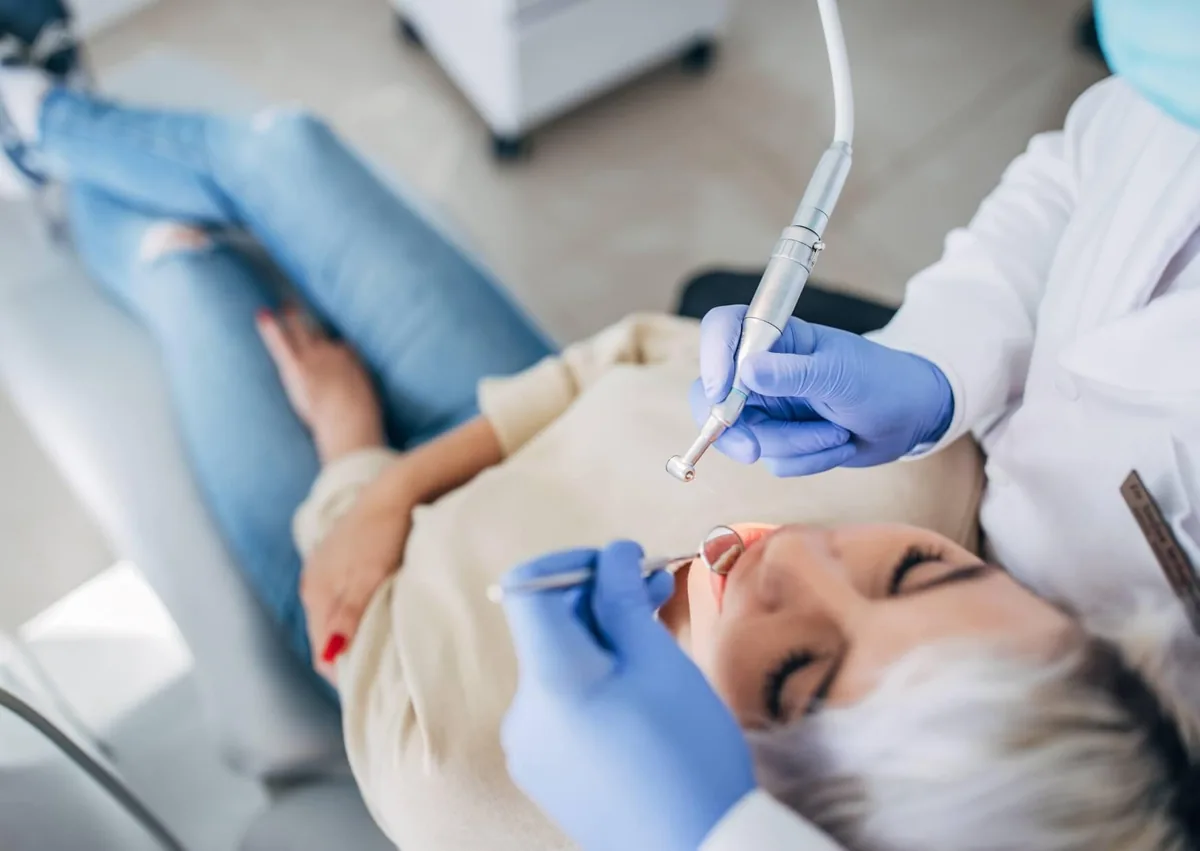
Implant treatment usually starts with an exam and imaging to assess the jawbone and nearby anatomy. Alternatives may include a conventional bridge, a removable partial or full denture, or delaying replacement, depending on oral health, goals, anatomy, cost, and maintenance needs.
The implant is placed surgically by an oral surgery specialist, sometimes with an extraction or graft, and may receive a temporary restoration. You can learn more about what to expect during the procedure.
Initial gum healing often happens over a few weeks, while bone integration commonly takes several months. Implants cannot get cavities, but the surrounding gums and bone can still become inflamed or infected, so daily cleaning, professional maintenance, and avoiding tobacco or nicotine remain important. For long-term care tips, see implant maintenance.
Implants can provide stable support, help preserve adjacent teeth by avoiding preparation for a traditional bridge, and improve chewing after the final restoration. They are not maintenance-free, and long-term success can be affected by gum disease, uncontrolled medical conditions, smoking, grinding, poor hygiene, or excessive force during healing.
Some swelling, bruising, tenderness, and minor oozing are common after surgery and often peak in the first few days. Seek urgent medical care for trouble breathing or swallowing, rapidly spreading swelling, heavy uncontrolled bleeding, or signs of a serious allergic reaction.
Contact the dental office if pain or swelling is severe, persistent, or worsening, or if you notice bleeding that does not settle, pus, fever, a persistent bad taste, wound opening, increasing numbness, or an implant or temporary tooth that feels loose. For more detail, review implant infection signs and implant infection symptoms.
If you are still planning treatment and have concerns about nutrition, chewing ability, medical conditions, or whether you can follow a soft-food diet, an implant consultation is a reasonable next step.
If you have concerns about pain, bleeding, or when to resume chewing, the appropriate next step is a brief clinical review to confirm safe healing and dietary progression. University Dental Implant Center focuses on dental implants in San Diego, CA; call (619) 582-4224 or request an appointment to review your post-op care.
Many patients need a very soft diet for the first few days and continue softer foods for one to two weeks. The timeline may be longer after grafting or more extensive surgery, so follow your surgeon’s instructions and advance textures only when chewing is comfortable and permitted.
Very soft rice porridge may be suitable early on. Regular loose grains can get trapped around sutures or a graft, so ask your dental team when standard rice is appropriate.
Avoid very hot coffee early in recovery because heat may irritate the area or contribute to bleeding. If your dental team permits coffee, let it cool first and do not drink it through a straw.
Good options include Greek yogurt, eggs, silken tofu, smooth beans, cottage cheese, flaky fish, and seed-free protein drinks. Choose foods that fit any medical or dietary restrictions you have.
Do not test the implant by chewing on it. Your surgeon should decide when the area can safely tolerate pressure, especially if you have a temporary restoration, a bone graft, or more than one implant.
Success stories that speak for themselves